

Why Some Website Traffic Looks Healthy Until You Examine User Intent
Website traffic often looks like a simple sign of success. More visitors seem to suggest stronger visibility, better content, and greater business potential. Yet traffic numbers can hide an important detail: why people arrived in the first place. User intent describes the reason behind a search or visit. Someone looking to buy a product has a different goal from someone seeking a definition or comparing options. If a website attracts many visitors whose needs do not match its offer, impressive traffic can produce limited business value. Looking beyond volume helps reveal whether visitors are actually relevant. This distinction matters because search engines can send audiences that are curious or early in research. A growing graph may therefore reflect visibility without reflecting commercial progress.
Examining Search Intent Behind Visits
Search intent usually falls into broad groups. Informational searches seek knowledge. Navigational searches aim to reach a particular website or page. Commercial searches involve research before a possible purchase, while transactional searches show stronger action-oriented behavior. A page can rank well for an informational phrase and receive thousands of visits without generating many leads or sales. That does not make the traffic useless. It means the page serves a different purpose. Problems arise when marketers treat every visit as equally valuable. Traffic should be interpreted according to what visitors wanted when they searched. Intent can also change as a person moves through research, so one keyword may represent several needs. Understanding those differences makes reporting more precise.
Measuring What Visitors Do After Clicking
The next clue appears after visitors land on a website. Metrics such as engagement, time spent, page views, conversions, and return visits can provide context, although none should be viewed alone. A high visitor count combined with very short sessions may indicate a mismatch between the search result and the page. However, short sessions are not always negative. Someone who finds a phone number, address, or direct answer may leave quickly because the task is complete. This is why user behavior needs to be connected to the page’s purpose. A successful informational page may answer a question in seconds, while a product page usually needs stronger engagement before a purchase. Conversion paths can provide additional evidence. Visitors may read an article but rarely reach related service pages, showing that the content meets an informational need rather than creating immediate demand.

Comparing Traffic Quality With Business Goals
Traffic becomes more meaningful when it connects to a specific objective. A local service business may value visitors from nearby areas who request consultations. An online store may focus on qualified shoppers who view products, add items to carts, and complete orders. A publisher may prioritize returning readers and newsletter registrations instead. The same traffic source can perform differently depending on the goal. Ten thousand visitors who have little interest in a service may create less value than a smaller audience with a strong need for it. Quality is therefore tied to relevance, not simply scale. Marketers should ask whether visitors resemble the people the business is trying to reach. Geography, device type, audience segment, and research stage can affect relevance. Reviewing these dimensions can explain why a channel produces strong engagement but weak revenue.
Identifying Mismatched Keywords and Content
Keyword selection can create misleading traffic when terms have broad or mixed meanings. A business may target a phrase because it has high search volume, only to discover that most searchers want something else. Content can also drift away from its intended audience. A headline may promise one answer while the page focuses on another. Strong rankings cannot correct a fundamental intent mismatch. Reviewing search queries in analytics and search performance tools can reveal which phrases actually bring visitors. Examining landing pages alongside those queries can then show whether the content satisfies the expectation created before the click. This process can uncover traffic that looks impressive but has little relevance. Overall.
Improving traffic quality starts with aligning keywords, content, and landing pages around real visitor needs. Instead of chasing the largest possible audience, marketers can build pages for specific stages of the customer journey. Informational content can explain problems and answer questions. Comparison pages can support research. Product and service pages can address stronger buying intent with clear details and calls to action. Internal links can guide visitors from learning content toward relevant commercial pages without forcing a sales message too early. Performance should then be reviewed using metrics that match each page’s role. This approach can produce fewer but more relevant visits, making analytics more useful and marketing decisions more grounded.…


 The first step in choosing the best digital marketing agency for your business is determining your objectives and budget. What are you looking to achieve with digital marketing? Do you want to increase brand awareness, drive traffic to your website, or generate leads? Once you know your objectives, you can start to look for agencies that specialize in those areas. It’s also important to consider your budget. How much are you willing to spend on digital marketing? Remember that you get what you pay for, so be prepared to invest some money if you want quality results. However, don’t overspend because you think it will help your business.
 Once you’ve found an agency that seems like a good fit, it’s time to do some background research. This includes reading reviews from past clients, checking out their social media accounts, and looking for red flags. It’s also important to contact the agency directly and ask them questions about their services. This is your chance to understand better what they can offer you and how they work. Be sure to ask about their team, approach to marketing, and experience in your industry.
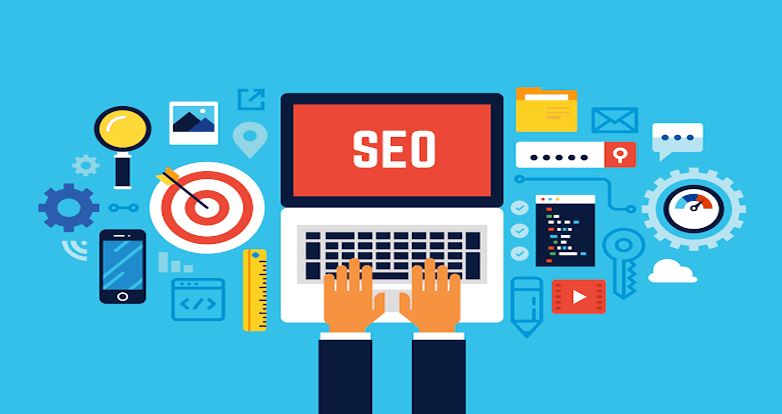 Hiring experts for the jobs is the best option because they understand all that is required to help you get the best results from this online marketing option. Common SEO strategies include the use of target keywords, original content, backlinks, and images. Search engine optimization is one of the best online marketing methods to try out. Here are the benefits.
 Cost-Effective Marketing Method
 SEO mostly focuses on
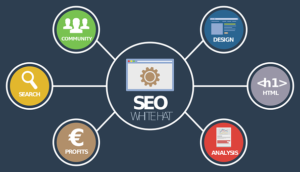 After working hard trying to obtain great rankings for your website, you might start wondering why your website is not performing well. If you are a beginner, you should know that your website should be fully optimized in all aspects. Search engine optimization is a continuous process that requires a lot of effort and time. Thus, there is a need to utilize the services of search engine optimization experts. The following are some important things to consider when choosing SEO services.
 A reliable search engine optimization agency will provide you with an estimate after determining the amount of work that should be done. High costs do not always imply that you will get high-quality services. In addition, it does not mean that the fees charged are consistent and proportional to the services you get. The best company should provide you with a breakdown of the services they will perform, the price, and expected performance.